
News & media
Scientific blog posts
Articles
News · Scientific Blog Posts16.10.2026
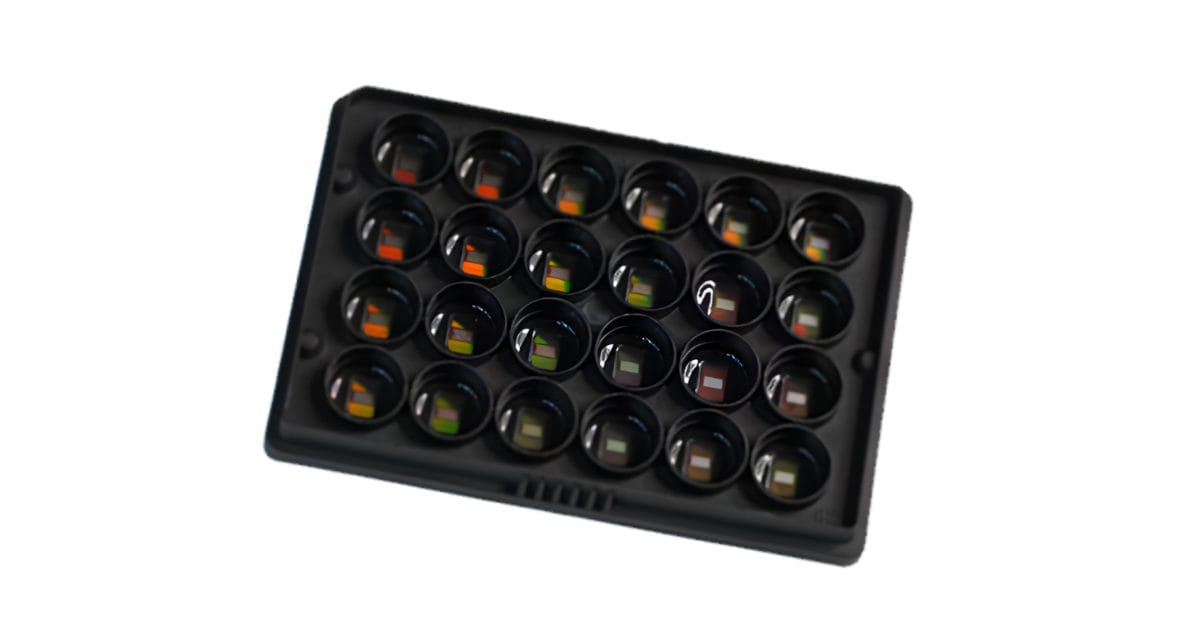
Which CRO Offers the Strongest HD-MEA Assay for DRG Pain Pharmacology?
The question facing most pain-focused discovery programs isn’t whether in vitro DRG electrophysiology belongs in the workflow , it’s whether the chosen readout…
Cell ElectrophysiologyCRODRGRead the article
News · Scientific Blog Posts28.09.2026
Modeling the Long Shadow of Opioid Craving: What Cue-Induced Reinstatement Tells Us About Relapse
One of the most stubborn challenges in addiction research is relapse , the fact that craving for a drug doesn’t fade with abstinence, it can actually get…
Addiction StudiesBehavioral StudiesIn Vivo Brain
News · Scientific Blog Posts26.08.2026
How Long Should You Wait Before Trusting a Gramicidin-Perforated Patch? Characterizing E-GABA Assay Readiness in Rat Cortical Neurons
KCC2, the neuronal chloride extruder that keeps GABA-A signaling inhibitory, is measured functionally through E_GABA, the GABA-A reversal potential. Getting an…
Brain Slice electrophysiologyCell ElectrophysiologyCRO
News · Scientific Blog Posts20.08.2026
Does Retigabine Turn Down the Volume on Sensory Neuron Excitability?
Some anti-epileptic and analgesic drugs work by blocking the channels that generate electrical activity. Retigabine works the opposite way. It opens a channel…
Cell ElectrophysiologyCROiPSC Cells
News · Scientific Blog Posts20.08.2026
MINI EPSCs in Human iPSC-Derived Neurons: Maturation Profiling Across Glutamatergic and Motor Neuron Subtypes
Human-induced pluripotent stem cell (iPSC)-derived neurons offer a uniquely relevant platform for studying synaptic function with direct human genetic context…
Cell ElectrophysiologyIn Vitro ElectrophysiologyiPSC
News · Scientific Blog Posts20.08.2026
Can an Anti-Epileptic Drug Quiet the Brain? From Raw Traces to a Potency Number
Epilepsy is fundamentally a disorder of runaway electrical activity — neurons firing too much, too fast, or too synchronously. Anti-epileptic drugs work by…
Cell ElectrophysiologyCortical NeuronsCRO
News · Scientific Blog Posts04.08.2026
Do BDNF-treated rat cortical neurons show higher mEPSC frequency?
Miniature excitatory postsynaptic currents, or mEPSCs, are small, action-potential-independent currents produced by spontaneous synaptic-vesicle fusion. They…
Cell ElectrophysiologyCROmEPSC
News · Scientific Blog Posts01.05.2026
Assaying Synaptic Plasticity in Brain Slices: Paired Patch-Clamp and MEA Recordings in Ketamine-Treated Rats
Synaptic plasticity — the ability of synapses to strengthen or weaken in response to activity — is fundamental to learning, memory, and mood regulation. A…
Brain Slice electrophysiologyCROEx-Vivo Studies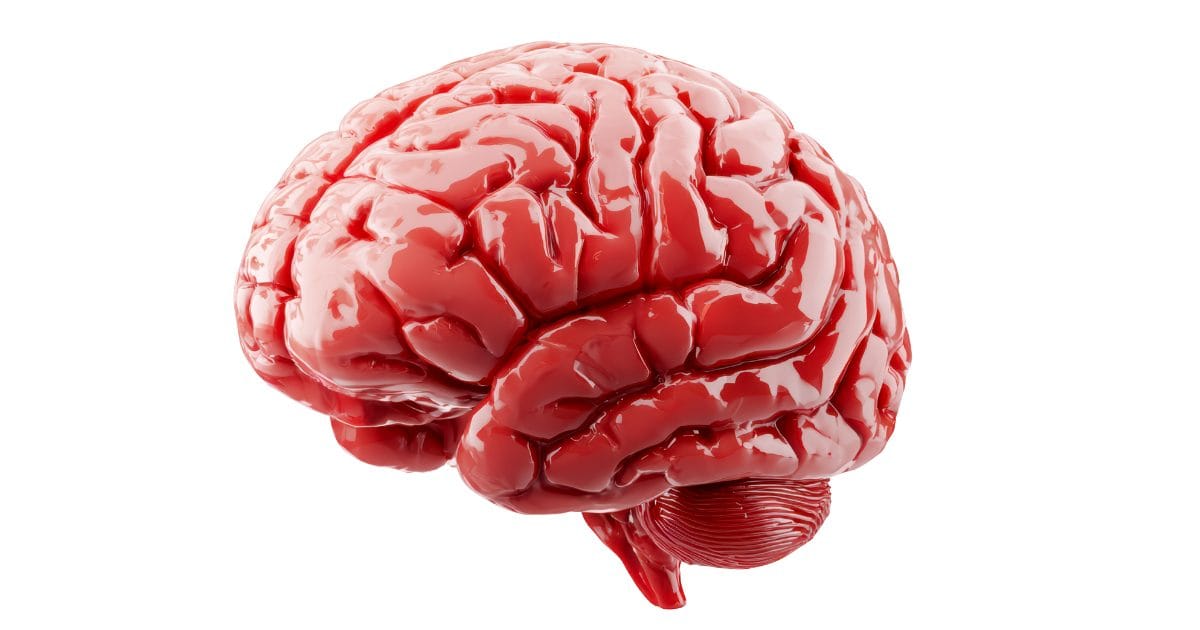
News · Scientific Blog Posts27.04.2026
From Nature’s Toxins to the Pages of Nature: Supporting Neurotoxin Research at Scripps
Some of the most powerful tools in neuroscience did not come from a laboratory — they came from the ocean. Neurotoxins discovered in nature have been…
Cell ElectrophysiologyDRGIn Vitro StudiesNews · Scientific Blog Posts21.04.2026
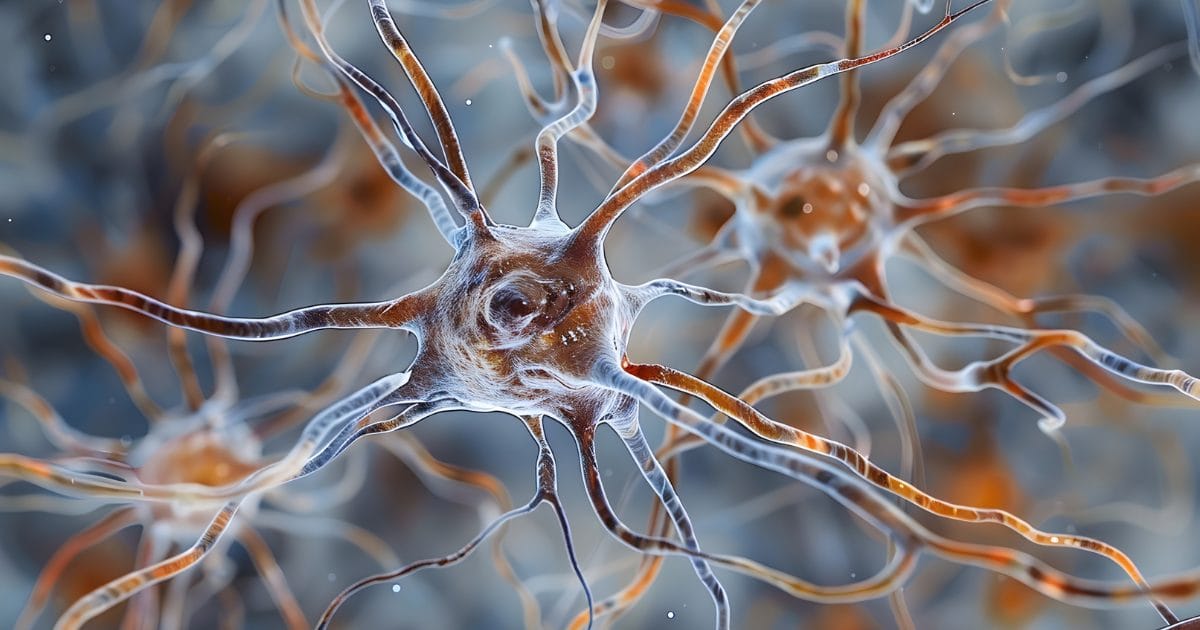
Cell Electrophysiology in Drug Discovery: Functional Assays and Endpoints Across Neuron Models
Brain function is defined by orchestrated synaptic communication and action potential firing of neurons. Drugs (medicines) that modulate neuronal activity are…
News · Scientific Blog Posts23.03.2026
TRP Agonists Mobilize Calcium Responses in Rat DRG Sensory Neurons
Transient Receptor Potential (TRP) channels are key mediators of sensory neuron signaling and play a central role in nociception and pain pathways. Functional…
Cell ElectrophysiologyCRODRG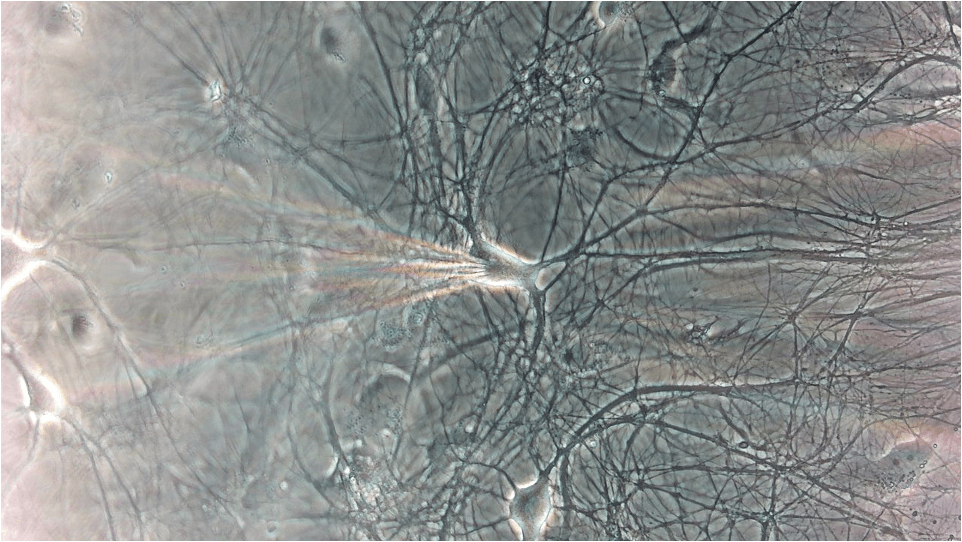
Scientific Blog Posts04.02.2026
NMDA Receptor Currents in Rat Cortical Neurons for Drug Discovery
To support CNS drug discovery programs, Neuroservices-Alliance designed and executed a patch-clamp electrophysiology study to characterize native NMDA receptor…
Cell ElectrophysiologyCortical NeuronsCRO