Microelectrode arrays (MEA), an ideal platform for translational epilepsy research and drug profiling
2 min read
On this page (3)
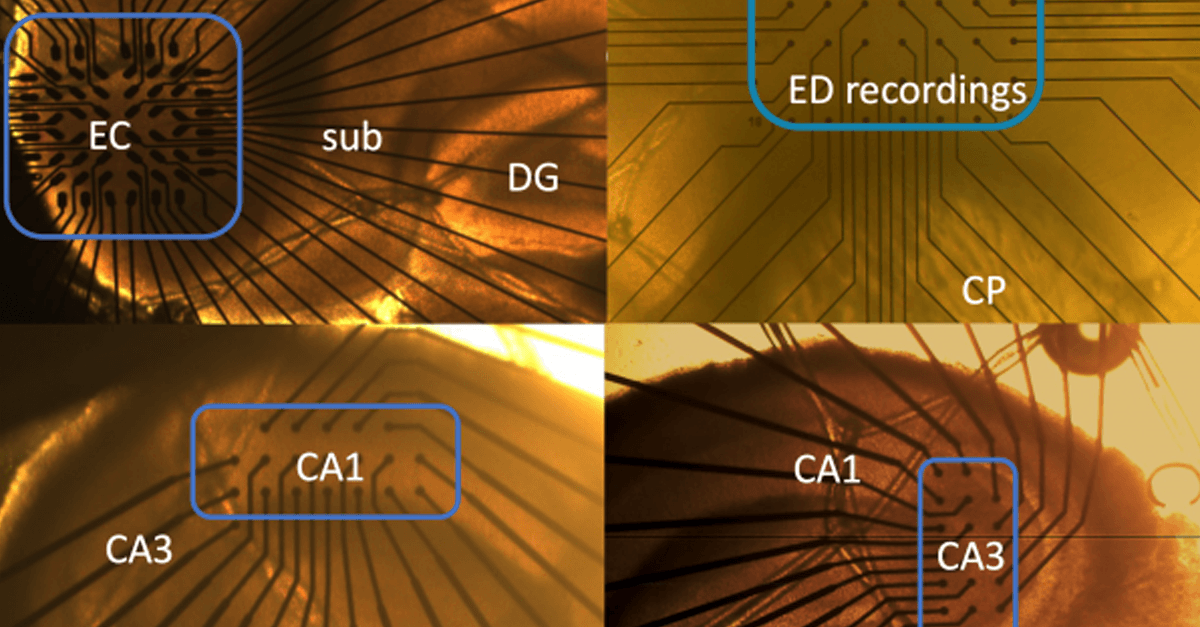
MEA technology, a core service at Neuroservices-Alliance based in our French Laboratory in Aix-en-Provence, enables non-invasive, stable recordings from acute brain slices. This powerful platform is ideal for translational epilepsy research, allowing us to evaluate dose responses, assess epileptogenesis, and support the development of novel anti-epileptic drugs for our clients.
Experimental conditions:
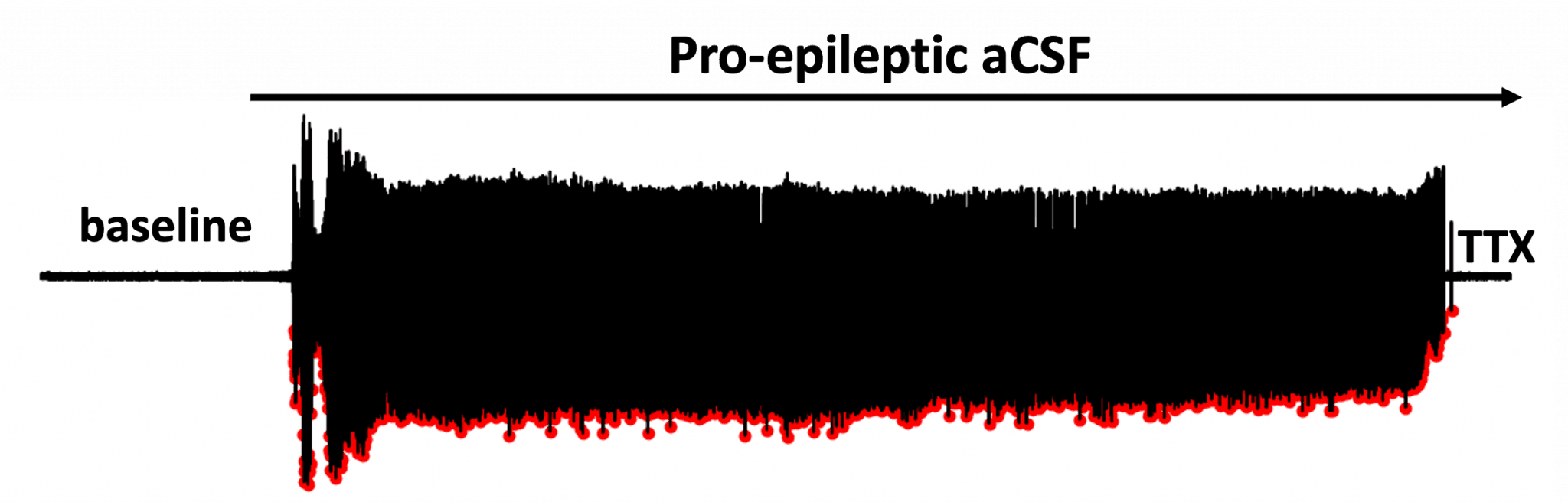
- 4-Aminopyridine (4-AP) is widely used in Epilepsy models, in vitro and in vivo. As a non-selective voltage-dependent K⁺ channel blocker, 4-AP inhibits intrinsic neuronal potassium currents. By disrupting the normal repolarization process, 4-AP prolongs the depolarized state of the neuron, making it more susceptible to repetitive firing and facilitating the generation of synchronized discharges that result in epileptiform activity.
- Zero magnesium aCSF release NMDA receptor enhancing excitability and facilitating synchronized firing, that can be coupled with High K⁺ concentration that reduces the electrochemical gradient for potassium across the membrane promoting sustained depolarization and leading to epileptiform discharges.
A Wide Range of Reference Compounds Have Already Been Tested :
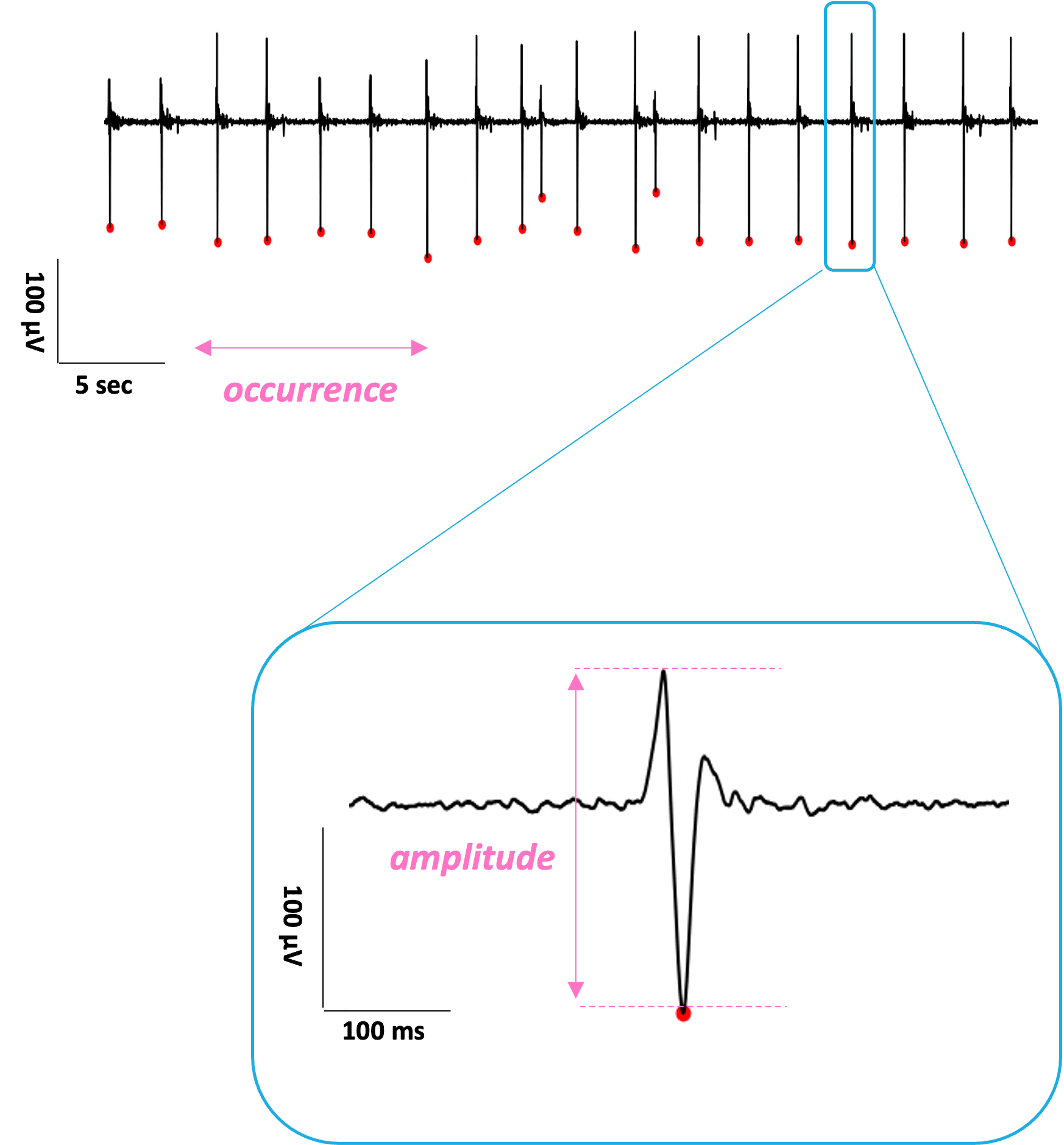
- Effective AEDs: Phenytoin, Midazolam, Lamotrigine, Topiramate, Carbamazepine, Phenobarbital, Tiagabine, Retigabine, and Perampanel significantly reduced epileptiform discharges activity in a concentration-dependent manner.
- Pro-convulsive Compounds: Bicuculline, Picrotoxin, Caffeine, Eserine, Pilocarpine, Theophylline, and Aminophylline markedly increased epileptiform activity, confirming their pro-convulsive / neurotoxic effect.
- Negative Controls: Acetaminophen, Ascorbate, and Fluoxetine showed no effect on epileptiform activity, validating their lack of pro- or anti-convulsive properties.
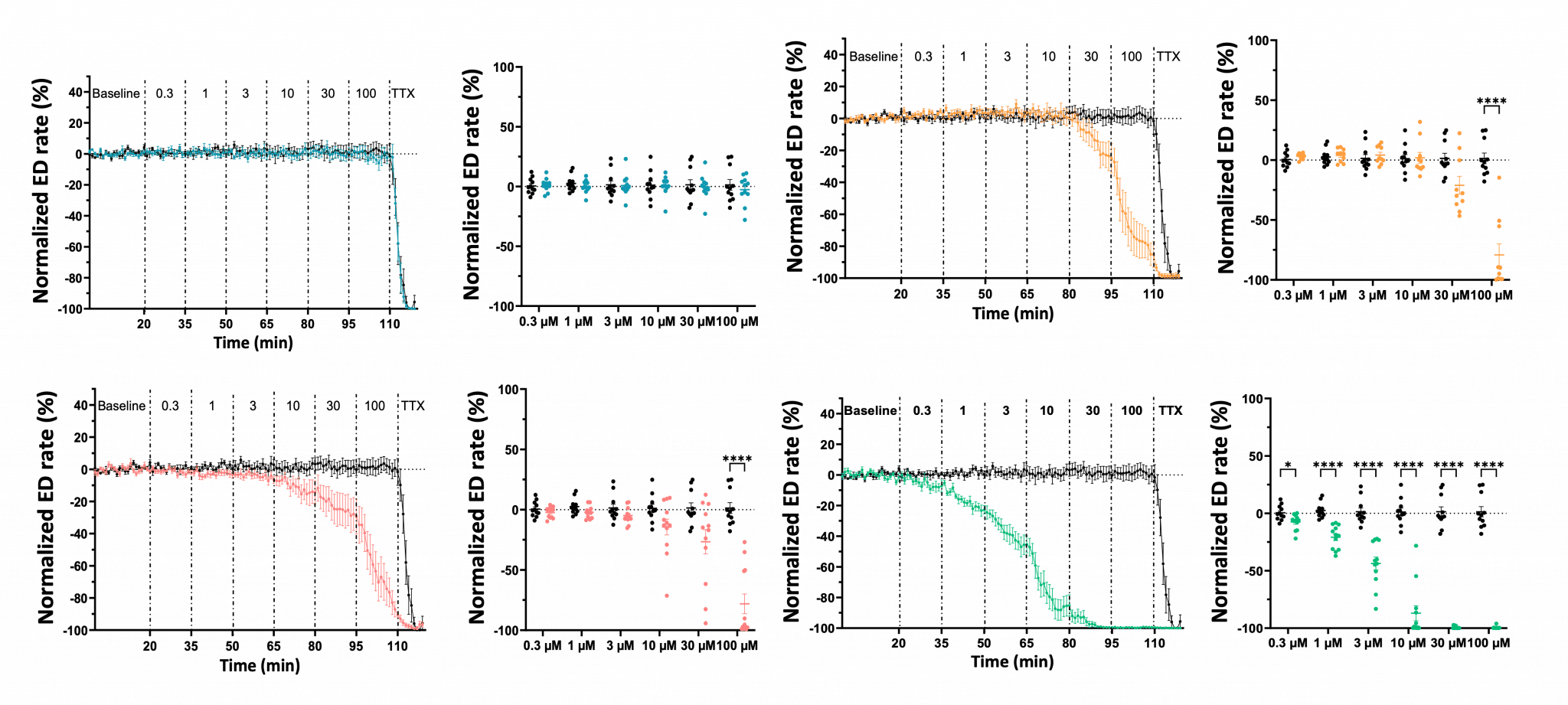
MEA technology enables non-invasive, stable recordings from acute brain slices, preserving intact tissue architecture, making it an excellent platform for translational epilepsy research and drug profiling.
Its ability to support long-term recordings makes it an ideal tool for evaluating dose responses in epileptiform activity, as well as for assessing epileptogenesis following compound preincubation or dosing.
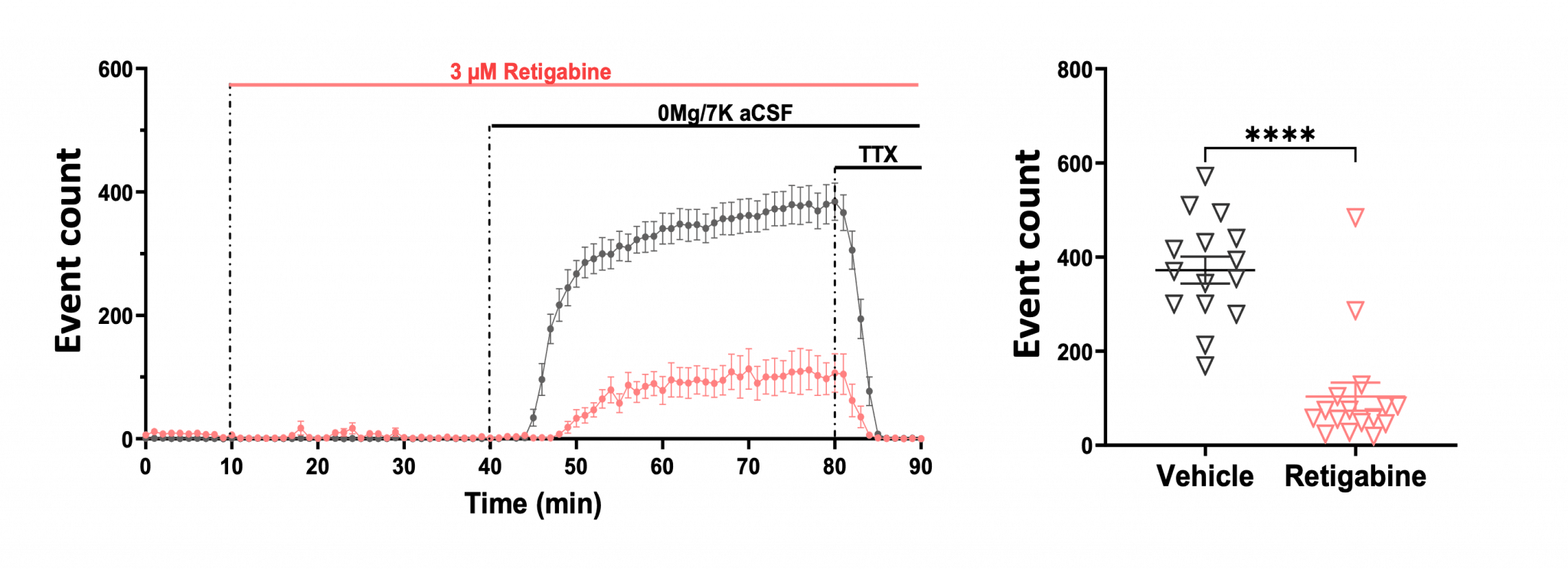
How MEA Studies and Neurosevices- Alliance Can Transform Your Drug Research:
Related scientific posts
View all- Cell ElectrophysiologyWhich CRO Offers the Strongest HD-MEA Assay for DRG Pain Pharmacology?16.10.2026
- Addiction StudiesModeling the Long Shadow of Opioid Craving: What Cue-Induced Reinstatement Tells Us About Relapse28.09.2026
- Brain Slice electrophysiologyHow Long Should You Wait Before Trusting a Gramicidin-Perforated Patch? Characterizing E-GABA Assay Readiness in Rat Cortical Neurons26.08.2026