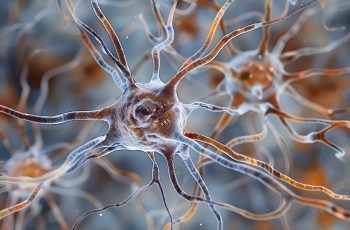
While acquiring iPSC models improves translational relevance, the primary challenge lies in matching the right assay strategy to your specific biological questions. To maximize value, an iPSC-based CNS study must map directly to your primary biological objective—be it validating target engagement, assessing cellular excitability, evaluating network-level behavior, or rescuing disease phenotypes. Consequently, modern programs increasingly combine readouts such as patch clamp electrophysiology, calcium imaging, multielectrode array (MEA) recordings, and phenotypic endpoints rather than relying on a single model.
Platform choices often fail here because human models cannot entirely replace independent validation. Strong CNS and pain programs actively mitigate risk by pairing iPSC-derived systems with complementary assays and, where appropriate, ex vivo approaches to confirm mechanism broader CNS disease models, the priority is not just access to cells. It is a scientifically defensible assay strategy that produces data robust enough for internal decision-making and publication.
For iPSC-derived neurons for drug discovery, the most informative models are human sensory neurons and nociceptors, as they most closely recapitulate the peripheral neurons responsible for pain signaling. The optimal assay depends on the scientific question being asked.
If the goal is to access phenotype, morphology-based readouts are a useful starting point: neurite outgrowth, branching complexity, cell size, and marker expression can reveal whether a compound affects differentiation, maturation or neuronal health. While these readouts are valuable, they generally do not predict analgesic efficacy on their own.
If the goal is to understand mechanism, electrophysiology is the preferred approach. Manual patch-clamp remains the gold standard for measuring resting membrane potential, action potential firing, and the function of voltage-gated sodium and potassium channels. These assays are particularly valuable for evaluating ion-channel modulators or determining how a treatment alters neuronal excitability.
If the goal is to measure functional analgesic activity, assays that monitor neuronal activity are powerful. Human iPSC-derived nociceptors can be assessed for spontaneous activity or, more commonly, stimulus evoked electrical or calcium responses following exposure to pain relevant compounds or inflammatory mediator. Analgesic candidates are evaluated by their ability to reduce pathological or sensitized activity while preserving normal neuronal function. It provides greater biological relevance when studying pain-relevant transduction, sensitization, or stimulus-evoked hyperexcitability.
For high-throughput screening, multi-well microelectrode arrays (MEA) platforms offers a scalable functional assay that records extracellular electrical activity across dozens of wells simultaneously. These platforms preserve physiological relevant electrophysiological endpoints while, supporting screening campaigns screening at a substantially greater scale than traditional patch-clamp.
One important practical consideration is cell maturation: most iPSC-derived neurons differentiation protocols require more than 30 days before mature morphological and electrophysiological characteristics emerge, with many workflows’ timelines expanding to 4 – 10 weeks to achieve greater functional maturity. The longer maturation window is the tradeoff for human physiology relevance—and it makes careful assay selection even more important.
In practice, the strongest drug discovery programs integrate complementary assays to build a more complete picture of compound activity and maximize the value for pain drug discovery: morphology-based imaging to assess development and neuronal health, electrophysiology to define excitability for mechanism of action, and functional network-level assay to evaluate pharmacology effects.
Successful iPSC-based drug discovery programs start with a simple principle: the readout should match the biological question. If the goal is to confirm ion channel mechanism, manual patch– clamp remains the reference method because it provides high-resolution measurement of membrane properties, neuron excitability, channel kinetics, and compound effects at single-cell level with the precision needed for mechanism confirmation. For question involving population-level neuronal responses, calcium imaging provides a complementary readout by capturing intracellular dynamics across many cells simultaneously. It is particularly useful for phenotype screening, response ranking, and dose–response characterization, where changes in calcium signaling patterns can reveal alterations in neuronal responsiveness.
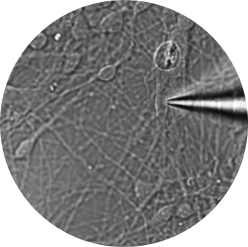
When throughput matters, multi-electrode array (MEA)-based workflows enable functional screening by tracking electrical activity across cell populations in a format that supports larger study sets. MEA is a strong option for early screening and prioritization, while patch- clamp provides the deeper mechanistic detail needed to understand how a lead series acts. As shown in the broader iPSC field, assay choice is increasingly tied to the question being asked rather than to a single preferred platform; the literature consistently emphasizes human relevance, but different assay formats capture different aspects of neuronal biology. (recent iPSC neuroscience review).
Complementary approaches can further strengthen confidence in efficacy findings. Brain slice and cellular recording platforms can help determine whether observations from iPSC-derived neurons translate to intact tissue physiology, synaptic function, or circuit-level behavior. For CNS efficacy studies, the most informative strategies often combine orthogonal approaches: human iPSC models for translational relevance, followed by ex vivo confirmation to strengthen confidence in the pharmacology interpretation.
When evaluating a CRO partner, scientists should consider the ability to design and execute an integrated assay strategy—not simply the availability of individual platforms. The most valuable partner is one that can align model selection, assay design, and data interpretation to generate rigorous, actionable results.
When evaluating iPSC-derived neurons for drug discovery, the first question is not whether a CRO can run a standard workflow, but whether it can deliver a validated, publication-ready assay that addresses the specific biological question. In CNS and pain programs, that distinction matters: a generic readout may generate data, but the value comes from data that can support generating decision-grade evidence.
Look for a provider that can customize the assay stack to the target mechanism, disease context, and translational goal. Strong partners do not force every program into the same format; they help you choose the appropriate cellular model, readout, and validation strategy for the question at hand. That may mean pairing iPSC-derived neurons with patch- clamp, calcium imaging, or complementary ex vivo systems.
Scientific depth is equally important. A CRO should demonstrate deep experience in electrophysiology and neuronal assay development, rather than reply solely on general cell-culture capability. Ask who designs the study , who analyzes and interprets the data, and how assay limitations are addressed. Strong providers will understand both the limitations and strengthens of iPSC model , , and can recommend additional approaches when needed.
Reproducibility and assay quality should also be key evaluation criteria. Important questions include how acceptance criteria are established, how biological and technical variability are managed, and whether findings are suported by orthogonal validation. For drug discovery applications, robust and reproducible is not optional.
Finally, high-throughput capacity matters only if data quality keeps pace. The right CRO can scale efficiently while maintaining rigor, traceability, and scientifically rigorous – transforming a screening service into a strategic research partner.
iPSC-derived neurons are a powerful entry point for CNS and pain drug discovery by incorporating human genetic background, disease-derived biology into the assay workflows. However, they are not intended to replace every CNS or pain model in the discovery cascade. The strongest discovery programs use iPSC systems where human relevance provides most value, then integrate complementary platforms to answer the next question with higher confidence.
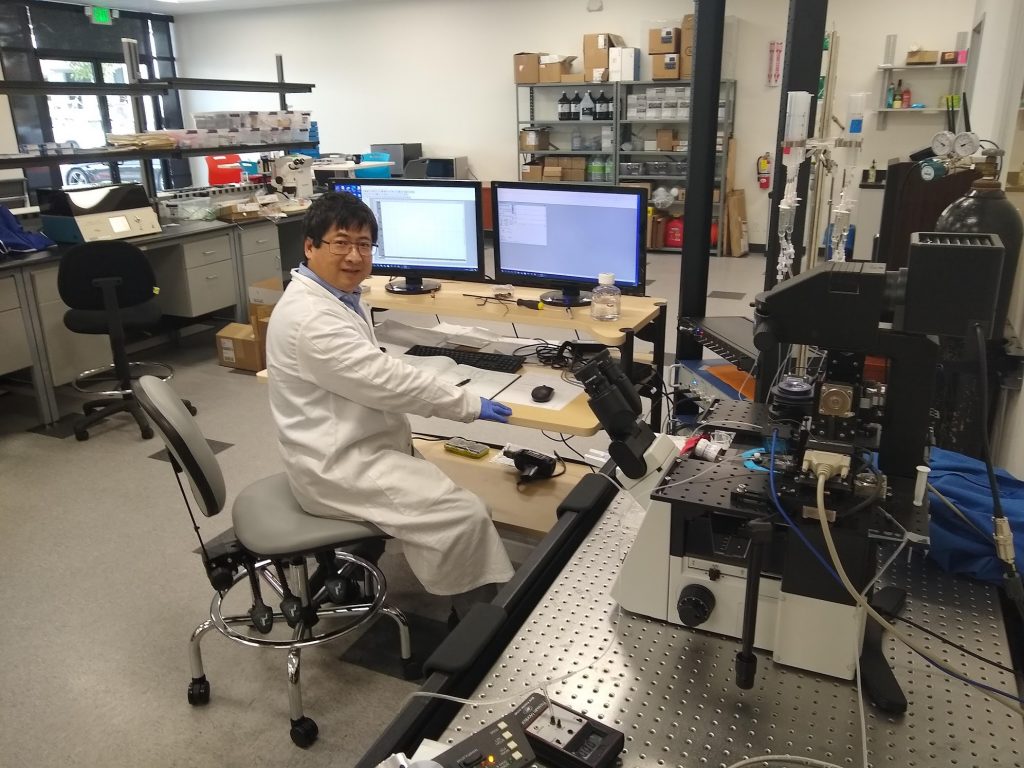
For example, cellular electrophysiology is well suited to confirm target engagement, ion channel pharmacology, and compound effect at the single-cell level. When the question shifts from a cell phenotype to circuits level function, brain slice recordings can validate whether a compound still produces the expected effect in intact local circuitry. That distinction matters in CNS and pain drug discovery, where a clean cellular signal may not always predict functional outcomes in a more complex system.
For earlier screening or broader phenotypic profiling, calcium imaging and HD-MEA workflows can support scalable assessment and compounds prioritization before deeper electrophysiology follow-up. Combining multiple approaches reduces reliance on any single model and strengthens confidence in internal decision-making.
Ultimately, assay selection should be driven by the biological question, discovery stage, and the level of translational confidence required. The best CRO partners provide flexible assay strategies that combine validated assays around each program you need to answer.
For teams evaluating iPSC-derived neurons for drug discovery, success depends on can generate reliable, decision-quality data from biologically relevant models. Neuroservices-Alliance is built for exactly that challenge: a PhD-led electrophysiology CRO specializing in CNS and pain drug discovery, with the depth to support complex translational programs from assay design through data interpretation.
Our platform combines in vitro manual patch– clamp, brain slice electrophysiology, calcium imaging, and high-throughput functional workflows to match the experimental approach to the scientific question. That flexibility is important because no single iPSC-based assay answers every discovery challenge in the same way. Some programs need mechanistic insight into channel resolution; while others benefit from network-level functional endpoints or cross-model translational comparison.
We design custom assays around your target biology, your compound class, and your stage of development, emphasizing scientifically validated endpoints and high-quality, publication-ready data. This approach ensures each study is tailored to generate meaningful results rather than simply producing experimental data when they evaluate contract research organizations using iPSC technology for CNS efficacy studies or compare iPSC-based preclinical screening providers.
If you need guidance selecting the most appropriate model, refining an assay strategy, or qualifying a CRO partner for CNS and pain work, our team can help you build a study that is technically rigorous and publication defensible.