Building on this integrated approach, Neuroservices-Alliance is expanding its organoid electrophysiology platform with a human iPSC-derived Alzheimer’s disease organoid model, designed to deliver human-relevant, functional readouts that strengthen and enrich CNS drug discovery programs.
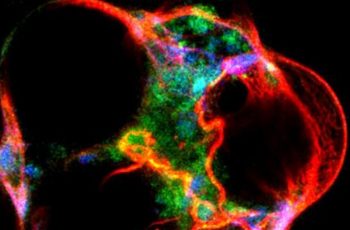
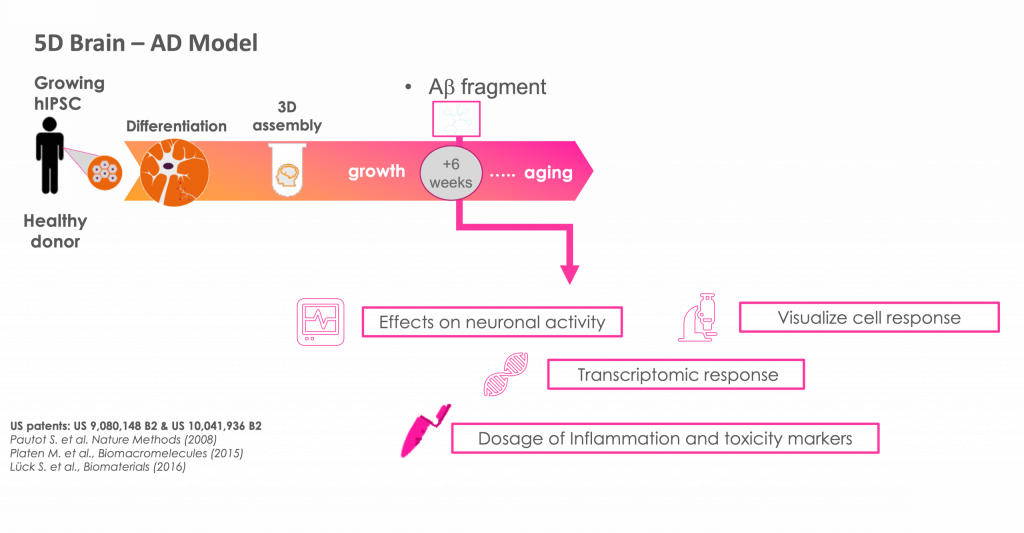
Our Alzheimer’s disease organoid model is built from human induced pluripotent stem cells (hiPSCs) and assembled into a 3D mini-brain (“5D Brain”) structure that undergoes differentiation, maturation, and aging over time. After approximately 6 weeks, these organoids exhibit complex neuronal organization, extracellular matrix components, and functional neuronal networks representative of in vivo brain tissue.
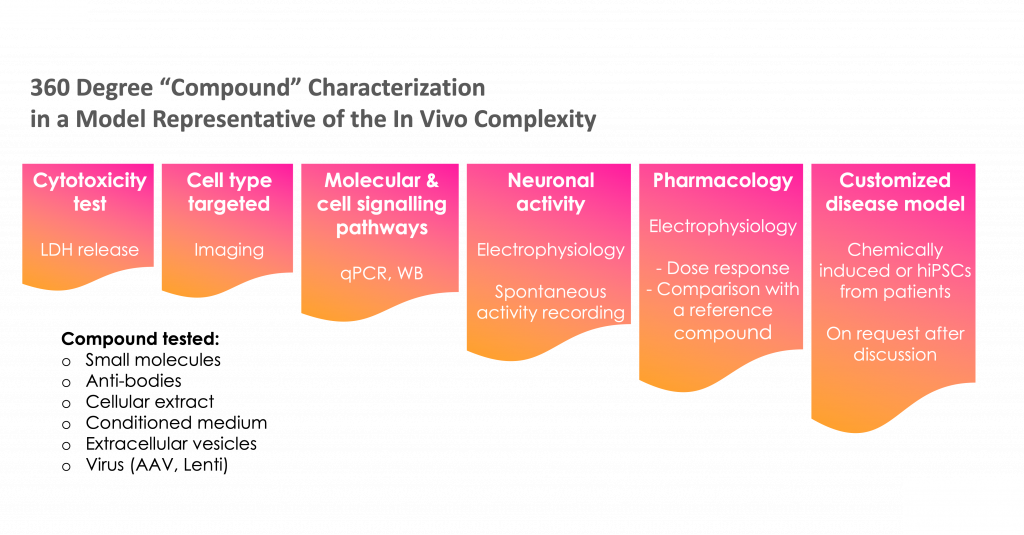
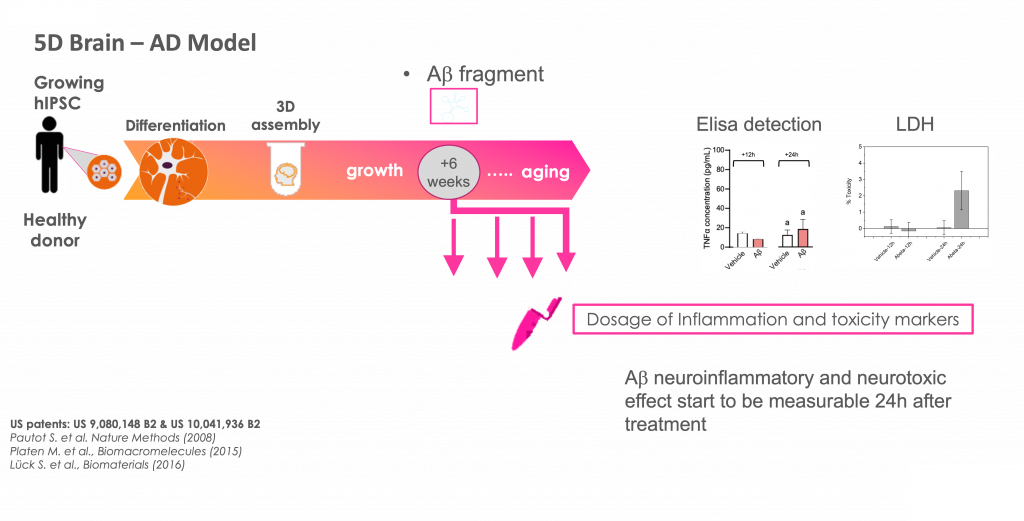
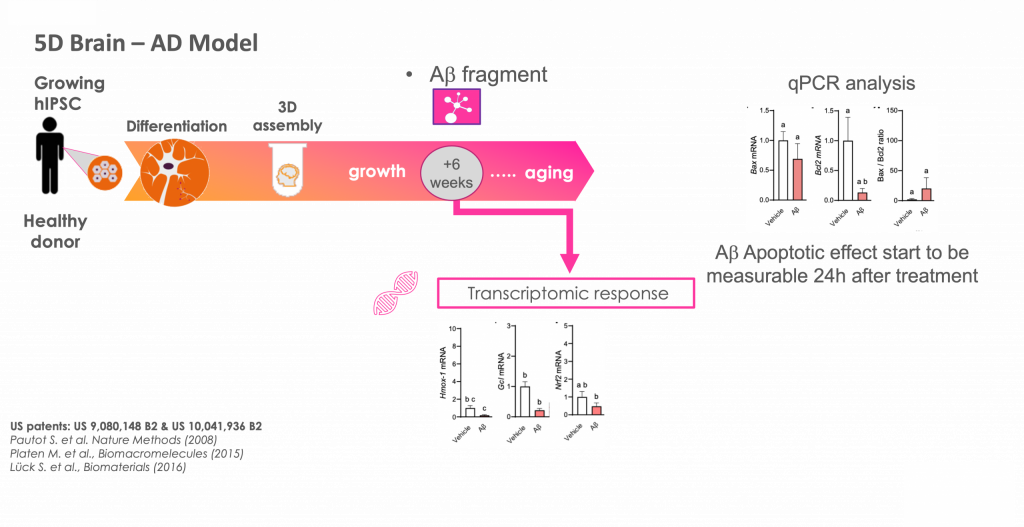
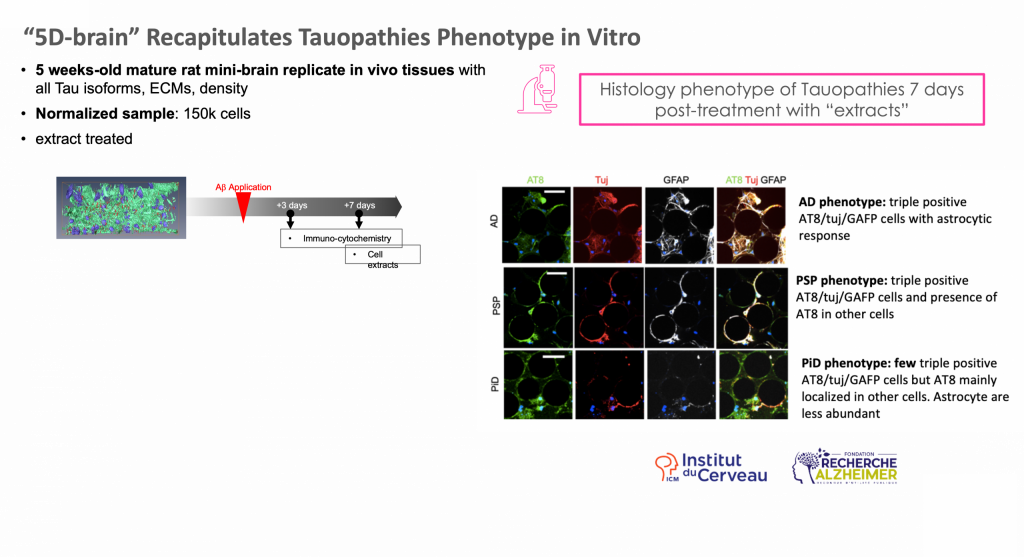
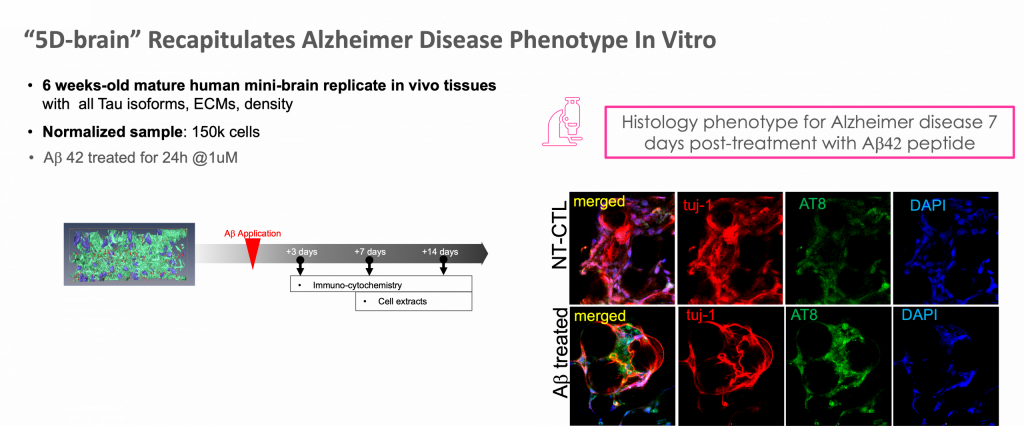
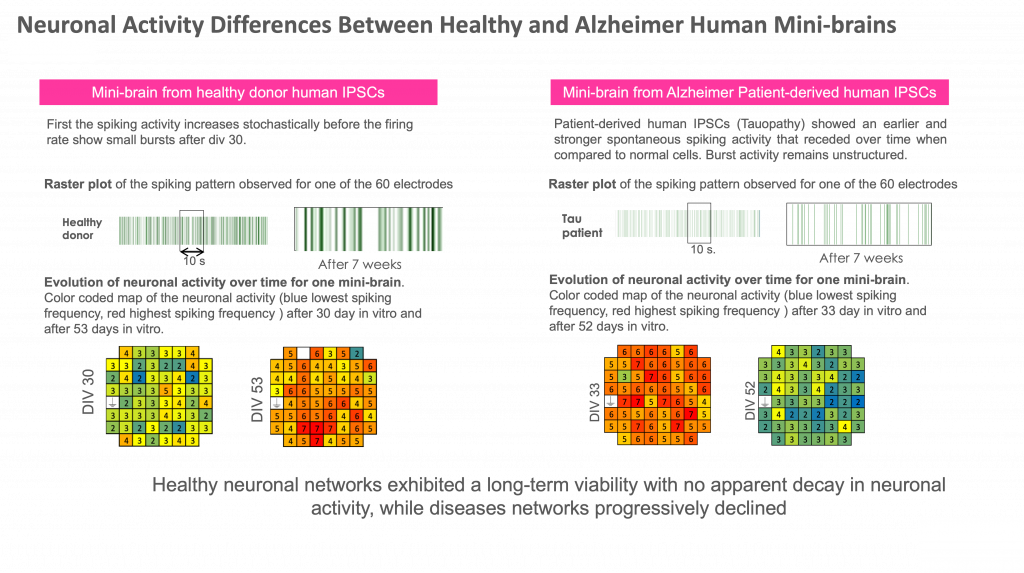
By integrating human iPSC-derived organoids with advanced electrophysiology, Neuroservices-Alliance offers a powerful, human-relevant Alzheimer’s disease model that captures both molecular pathology and functional network behavior. This platform complements our established in vivo and brain slice capabilities, while supporting evolving research strategies that emphasize translational relevance and experimental refinement. Our organoid electrophysiology platform is now ready to support CNS drug discovery programs seeking deeper insight into Alzheimer’s disease mechanisms and therapeutic response.